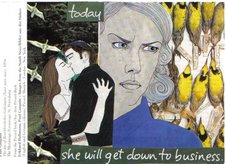
I had a dream last night about feeling the fullness of my creative power. It all came about as a result of having:
1. a good writing session before going to sleep
I had my laptop in front of the fire, and I was working on Chapter One of the novel. I had a clear breakthough as how I wanted this chapter to be written. It is quite different from what I had, and now the new writing is much more exciting in terms of language and depth of characterization. I entered that state where the magic happens.
2. recently discussed "Beauty and the Beast" with my students
We had discussed how "Beauty and the Beast" is about confronting our attitudes about what constitutes Beauty and Beastliness. I am a big fan of what Angela Carter did with her rewrites of fairy tales. She often allowed the wildness of animals and beasts to be manifested in women as sexual and creative energy.
3. stepped across a stack of books with Women Who Run With the Wolves on top.
~~~~~~~~~~~~~~~~~~~~~~~~~~~~~~~
The dream was about traveling. Allen and I stopped at a beautiful hotel to stay the night. The only room available for us was in a mansion far away from the main hotel. The mansion was cluttered and part of the curtains had been torn down. I think this means that my thoughts about how to organize the novel are still disorganized but that the curtains have been ripped away, exposing the light that I need to find my way. The curtains were fancy, perhaps representing the socially acceptable "barrier" I have erected between myself and the good part of my creativity.
To get to the room, we had to walk a wild path. Then for some reason I was walking alone on the path. Soon I noticed two huge, vicious wolves ahead of me. They were snarling and growling at me.
Then I did something I don't usually do in dreams (I am usually frightened and run from danger). I snarled and growled back, and the wolves retreated and let me pass.
Showing posts with label fairy tales. Show all posts
Showing posts with label fairy tales. Show all posts
Sunday, December 07, 2008


Friday, October 17, 2008
Juniper madness
Original Poem (rough draft) based on fairy tale, "The Juniper Tree"
In April, on the day of her marriage,
she planted a Juniper into the wet-black ground
that was covered in robins
bobbing their heads
in search of worms.
She planted the Juniper
for want of an evergreen,
for want of something that lives
forever. She had always known
she would never live to be old.
It did not make her sad,
not very, but she wanted to
leave some mark upon the world,
even if it were only a little tree that
she had planted.
But the tree did not stay little.
It grew quickly, and by
Christmas it was the height
of three men. She decorated it with
lights, paper chains, and beautiful
glass apples that shone in the sun.
She tied seed bundles to the branches
so the cardinals would sit in the Juniper
and sing to her all day long
their sad, pretty song.
In April, on the day of her marriage,
she planted a Juniper into the wet-black ground
that was covered in robins
bobbing their heads
in search of worms.
She planted the Juniper
for want of an evergreen,
for want of something that lives
forever. She had always known
she would never live to be old.
It did not make her sad,
not very, but she wanted to
leave some mark upon the world,
even if it were only a little tree that
she had planted.
But the tree did not stay little.
It grew quickly, and by
Christmas it was the height
of three men. She decorated it with
lights, paper chains, and beautiful
glass apples that shone in the sun.
She tied seed bundles to the branches
so the cardinals would sit in the Juniper
and sing to her all day long
their sad, pretty song.
Wednesday, October 08, 2008
Juniper Tree #1

A Poem I wrote recently based loosely on the fairy tale "The Juniper Tree" ...
When I Was a Child
When I was a child,
I buried dead birds
and said prayers for them
over graves decorated
with popsicle stick crosses.
When I ceased to be a child,
my mother ate poison berries and died.
Her body was buried in the yard,
under the Christmas cedar.
I cried, but I wasn't worried.
I waited for the resurrection to happen.
One day, I put a dead bird in a box
and covered it with a lid.
I put the box on a shelf.
The next day I lifted the lid and
stopped believing in the miracle.
Another mother took my good mother's place.
She had a different understanding
of what we would be to each other.
I was no longer a child by then.
I've said it twice, and I'll say it again:
I was no longer a child by then.
Hello, death, I said, Hello.
Goodbye, Mother, Goodbye.
When I Was a Child
When I was a child,
I buried dead birds
and said prayers for them
over graves decorated
with popsicle stick crosses.
When I ceased to be a child,
my mother ate poison berries and died.
Her body was buried in the yard,
under the Christmas cedar.
I cried, but I wasn't worried.
I waited for the resurrection to happen.
One day, I put a dead bird in a box
and covered it with a lid.
I put the box on a shelf.
The next day I lifted the lid and
stopped believing in the miracle.
Another mother took my good mother's place.
She had a different understanding
of what we would be to each other.
I was no longer a child by then.
I've said it twice, and I'll say it again:
I was no longer a child by then.
Hello, death, I said, Hello.
Goodbye, Mother, Goodbye.
Thursday, September 11, 2008
The Girl Who Trod on the Loaf, Part III
I just noticed that what I wrote in the previous entry could be a poem:
The Path to Transformation
Negotiate the dark places in your life.
Fail. Make rotten choices.
Be as selfish as you want to be.
Hit rock bottom.
Turn to stone.
Become a statue in some devil's antechamber.
Hunger. Thirst. Never be satisfied.
Oh how you suffer,
but tears won't come.
Resist.
Resist.
Resist.
Transformation doesn't happen in an instant.
Becoming something else is hard.
Do what comes natural:
Harden your heart, blame others.
This will take a long time.
Hard to believe,
but one day you'll encounter grace.
Hard to believe,
but someone's out there,
really,
someone's out there,
who will not judge you.
Only then will you change,
be one with the sun.
You will be love.
The Path to Transformation
Negotiate the dark places in your life.
Fail. Make rotten choices.
Be as selfish as you want to be.
Hit rock bottom.
Turn to stone.
Become a statue in some devil's antechamber.
Hunger. Thirst. Never be satisfied.
Oh how you suffer,
but tears won't come.
Resist.
Resist.
Resist.
Transformation doesn't happen in an instant.
Becoming something else is hard.
Do what comes natural:
Harden your heart, blame others.
This will take a long time.
Hard to believe,
but one day you'll encounter grace.
Hard to believe,
but someone's out there,
really,
someone's out there,
who will not judge you.
Only then will you change,
be one with the sun.
You will be love.
The Girl Who Trod on the Loaf, Part II
Tonight in English 200 we discussed "The Girl Who Trod on the Loaf." Phrases of conversation that stand out for me now: "hitting rock bottom" and "going through the dark places."
Inger must negotiate the dark moments of her life. She must hit rock bottom before she can begin her transformation into something better, something higher. Inger is transformed from a self-absorbed adolescent to a person capable of empathy.
Karma. Her selfishness has turned her stone, into a person who hungers and thirsts but cannot be filled; a person who wants to cry but cannot. We rarely experience instant transformation. Change is hard and usually resisted. Old habits and beliefs are comforting. For over a hundred years, she continues to harden her heart, to blame others.
Finally she is released from her self-constructed prison through the grace of another person: a person who does not judge Inger but who instead empathizes with her, admitting her own frailties.
Inger sheds her obsession with beauty and clothes and attends to the state of her soul. She becomes part of the sun: something bigger than herself, more beautiful than strutting around in beautiful clothes. She is love.
Inger must negotiate the dark moments of her life. She must hit rock bottom before she can begin her transformation into something better, something higher. Inger is transformed from a self-absorbed adolescent to a person capable of empathy.
Karma. Her selfishness has turned her stone, into a person who hungers and thirsts but cannot be filled; a person who wants to cry but cannot. We rarely experience instant transformation. Change is hard and usually resisted. Old habits and beliefs are comforting. For over a hundred years, she continues to harden her heart, to blame others.
Finally she is released from her self-constructed prison through the grace of another person: a person who does not judge Inger but who instead empathizes with her, admitting her own frailties.
Inger sheds her obsession with beauty and clothes and attends to the state of her soul. She becomes part of the sun: something bigger than herself, more beautiful than strutting around in beautiful clothes. She is love.
Sunday, September 07, 2008
The Girl Who Trod on the Loaf, Part I
"The Girl Who Trod on the Loaf" is a curious tale written by Hans Christian Anderson. It is called a literary tale because it was created from the imagination of one writer; it is not a folk tale handed down through time and retellings. Quite a few interpretations and controversies surround the tale.
It is the story Inger, a girl who is pretty and poor and proud and arrogant. She tears the wings off flies and skewers beetles on a pin. As she grows older, her self-absorbtion grows worse. She goes away to be a servant for people of means. They spoil her with fine clothes.
One day Inger's mistress tells her she should visit her poor mother. But Inger is ashamed when she sees her mother's poverty and turns away. A half year goes by. Inger's mistress tells her again she should visit her home. The mistress gives Inger a loaf of bread to take to her parents.
Inger puts on her best dress and new shoes. While walking she finds herself on a muddy path. She throws the bread into the mud and uses the bread to keep her shoes dry and clean.
But the loaf sinks and carries her down to the home of the Marsh Woman, a place that is little more than a congregation of stinks and slime: "Every vessel is reeking with horrible smells that would turn a human being faint, and they are packed closely together; but even if there were enough space between them to creep through, it would be impossible because of the slimy toads and the fat snakes that are creeping and slithering along."
One day the devil and his great-grandmother visit the Marsh Woman. The devil's great grandmother sees Inger and wants her as a souvenir: "She will make a suitable statue in my great-grandchildren's antechamber."
So little Inger goes to hell.
And so Inger becomes a statue in "an endless antechamber. It made one dizzy to look forward and dizzy to look backward, and there was a crowd of anxious, exhausted people waiting for the gates of mercy to be opened for them. They would have long to wait. Huge, hideous, fat spiders spun cobwebs, of thousands of years' lasting, over their feet, webs like foot screws or manacles, which held them like copper chains; besides this, every soul was filled with everlasting unrest, an unrest of torment and pain."
Inger could hear people on earth talking about her, about what a horrible child she had been. And Inger thinks her parents should have brought her up better. "They should have beaten the nonsense out of he, if I had any," she thinks. People made up a song about her, "the haughty girl who stepped on a loaf to keep her shoes clean." She hears her mother's anguish at having such an awful child.
Through all this, Inger's heart becomes harder and full of hatred "for all mankind." She thinks about her own suffering.
Because Inger is a statue, she cannot eat, but she suffers from terrible hunger and misery. One day she hears a little girl burst into tears at the thought of Inger. This pity reaches into Inger's heart "and seemed almost to make her good." But Inger, who wants to weep, cannot. The tears will not come, "and that was also a torture."
Years pass. Inger is not talked about so much, but Inger does hear the dying words of her mother: "Inger, Inger, how miserable you have made me! I knew that you would!" And the little girl who had once cried for Inger had become an old woman. The old woman's tears and prayers come "like an echo down to the hollow, empty shape" that held Inger's soul. The old woman prays: "My Lord, have I not often, like poor Inger, trampled underfoot your blessed gifts and counted them of no value? Have I not often been guilty of the sin of pride and vanity in my inmost heart? But in Your mercy You did not let me sink into the abyss, but did sustain me."
Inger's soul takes account of its earthly life, and now Inger cries as she never had cried before. She feels humble and then a bright ray penetrates down into the abyss, a ray "more powerful than the sunbeams that melt the snowmen that boys make in their yards." The statue of Inger evaporates, and a tiny bird arises and follows the ray up into the world.
Terrified, shy, and ashamed, the bird hides herself in a dark hole in a crumbling wall. The bird has no voice. Gradually she is comforted by the soft air, the clear moon, and the sweet trees and flowers. Her feathers feel clean, and she experiences how "all creation spoke of love and beauty." She wanted to sing her thoughts, but could not. For weeks, Inger's gratitude increased, and she decides to perform a good deed.
On Christmas morning, a farmer sat up a pole and tied to it a bundle of oats so that the birds might eat. At last Inger's swelling thoughts find a voice. From the hiding place comes a faint "tweet, tweet."
During the cold, harsh winter, Inger flies, searching for bread crumbs that have been strewn for birds to eat. She gathers the crumbs, eating only a single crumb: the rest she gives away. By the end of the winter, she had given away enough crumbs to equal the weight of the loaf she had stepped on to keep her shoes from being soiled. And when she had given away her last crumb, her gray wings became white and expanded.
Children saw Inger. "Look," they said, "there flies a sea swallow over the sea." Inger rises into the bright sunshine. She gleams in the air. The story ends: "It was not possible to see what became of [the bird]; they said that it flew straight into the sun."
In my next entry I would like to explore possible meanings of this tale.
It is the story Inger, a girl who is pretty and poor and proud and arrogant. She tears the wings off flies and skewers beetles on a pin. As she grows older, her self-absorbtion grows worse. She goes away to be a servant for people of means. They spoil her with fine clothes.
One day Inger's mistress tells her she should visit her poor mother. But Inger is ashamed when she sees her mother's poverty and turns away. A half year goes by. Inger's mistress tells her again she should visit her home. The mistress gives Inger a loaf of bread to take to her parents.
Inger puts on her best dress and new shoes. While walking she finds herself on a muddy path. She throws the bread into the mud and uses the bread to keep her shoes dry and clean.
But the loaf sinks and carries her down to the home of the Marsh Woman, a place that is little more than a congregation of stinks and slime: "Every vessel is reeking with horrible smells that would turn a human being faint, and they are packed closely together; but even if there were enough space between them to creep through, it would be impossible because of the slimy toads and the fat snakes that are creeping and slithering along."
One day the devil and his great-grandmother visit the Marsh Woman. The devil's great grandmother sees Inger and wants her as a souvenir: "She will make a suitable statue in my great-grandchildren's antechamber."
So little Inger goes to hell.
And so Inger becomes a statue in "an endless antechamber. It made one dizzy to look forward and dizzy to look backward, and there was a crowd of anxious, exhausted people waiting for the gates of mercy to be opened for them. They would have long to wait. Huge, hideous, fat spiders spun cobwebs, of thousands of years' lasting, over their feet, webs like foot screws or manacles, which held them like copper chains; besides this, every soul was filled with everlasting unrest, an unrest of torment and pain."
Inger could hear people on earth talking about her, about what a horrible child she had been. And Inger thinks her parents should have brought her up better. "They should have beaten the nonsense out of he, if I had any," she thinks. People made up a song about her, "the haughty girl who stepped on a loaf to keep her shoes clean." She hears her mother's anguish at having such an awful child.
Through all this, Inger's heart becomes harder and full of hatred "for all mankind." She thinks about her own suffering.
Because Inger is a statue, she cannot eat, but she suffers from terrible hunger and misery. One day she hears a little girl burst into tears at the thought of Inger. This pity reaches into Inger's heart "and seemed almost to make her good." But Inger, who wants to weep, cannot. The tears will not come, "and that was also a torture."
Years pass. Inger is not talked about so much, but Inger does hear the dying words of her mother: "Inger, Inger, how miserable you have made me! I knew that you would!" And the little girl who had once cried for Inger had become an old woman. The old woman's tears and prayers come "like an echo down to the hollow, empty shape" that held Inger's soul. The old woman prays: "My Lord, have I not often, like poor Inger, trampled underfoot your blessed gifts and counted them of no value? Have I not often been guilty of the sin of pride and vanity in my inmost heart? But in Your mercy You did not let me sink into the abyss, but did sustain me."
Inger's soul takes account of its earthly life, and now Inger cries as she never had cried before. She feels humble and then a bright ray penetrates down into the abyss, a ray "more powerful than the sunbeams that melt the snowmen that boys make in their yards." The statue of Inger evaporates, and a tiny bird arises and follows the ray up into the world.
Terrified, shy, and ashamed, the bird hides herself in a dark hole in a crumbling wall. The bird has no voice. Gradually she is comforted by the soft air, the clear moon, and the sweet trees and flowers. Her feathers feel clean, and she experiences how "all creation spoke of love and beauty." She wanted to sing her thoughts, but could not. For weeks, Inger's gratitude increased, and she decides to perform a good deed.
On Christmas morning, a farmer sat up a pole and tied to it a bundle of oats so that the birds might eat. At last Inger's swelling thoughts find a voice. From the hiding place comes a faint "tweet, tweet."
During the cold, harsh winter, Inger flies, searching for bread crumbs that have been strewn for birds to eat. She gathers the crumbs, eating only a single crumb: the rest she gives away. By the end of the winter, she had given away enough crumbs to equal the weight of the loaf she had stepped on to keep her shoes from being soiled. And when she had given away her last crumb, her gray wings became white and expanded.
Children saw Inger. "Look," they said, "there flies a sea swallow over the sea." Inger rises into the bright sunshine. She gleams in the air. The story ends: "It was not possible to see what became of [the bird]; they said that it flew straight into the sun."
In my next entry I would like to explore possible meanings of this tale.
Monday, August 18, 2008
Provincetown 49
 "Mirror, Mirror on the Wall"
This one was so much fun to do. It came together after I found the card for the "The Paper Fool." I guess fairy tales were on my mind because I'll be teaching a course on fairy tales this fall. I also had been reading in The Golden Bough about the symbolism of mirrors.
This is my last week at Provincetown! On the 25th classes start and I am back to my other life. It has been productive, and it has been a blast.
Subscribe to:
Posts (Atom)
Subscribe To


 Posts
All Comments
Posts
All Comments
Dreaming
About Me

- Theresa Williams
- Northwest Ohio, United States
- "I was no better than dust, yet you cannot replace me. . . Take the soft dust in your hand--does it stir: does it sing? Has it lips and a heart? Does it open its eyes to the sun? Does it run, does it dream, does it burn with a secret, or tremble In terror of death? Or ache with tremendous decisions?. . ." --Conrad Aiken
Facebook Badge

Subscribe
Posts
All Comments
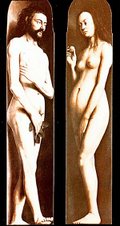
Fave Painting: Eden
Fave Painting: The Three Ages of Man and Death
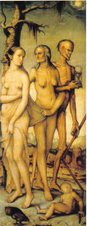
by Albrecht Dürer
My Original Artwork: Triptych
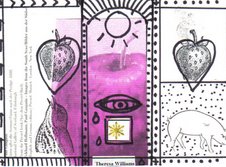
Wishing
Little Deer
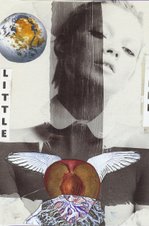
Transformation
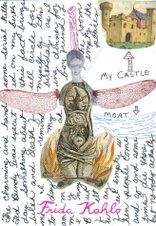
Looking Forward, Looking Back